The story
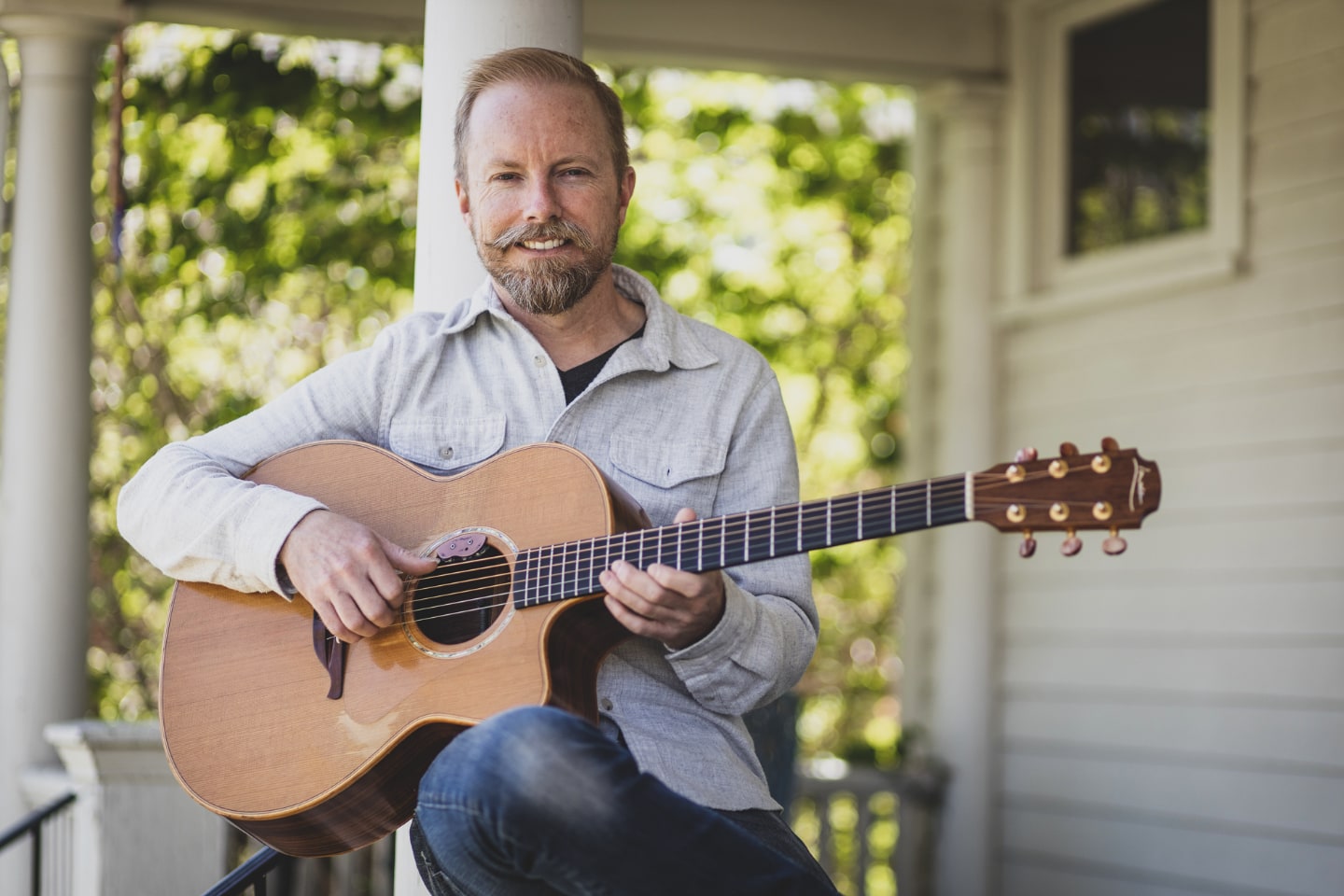
Blayne's path into Irish traditional music began with a car radio.
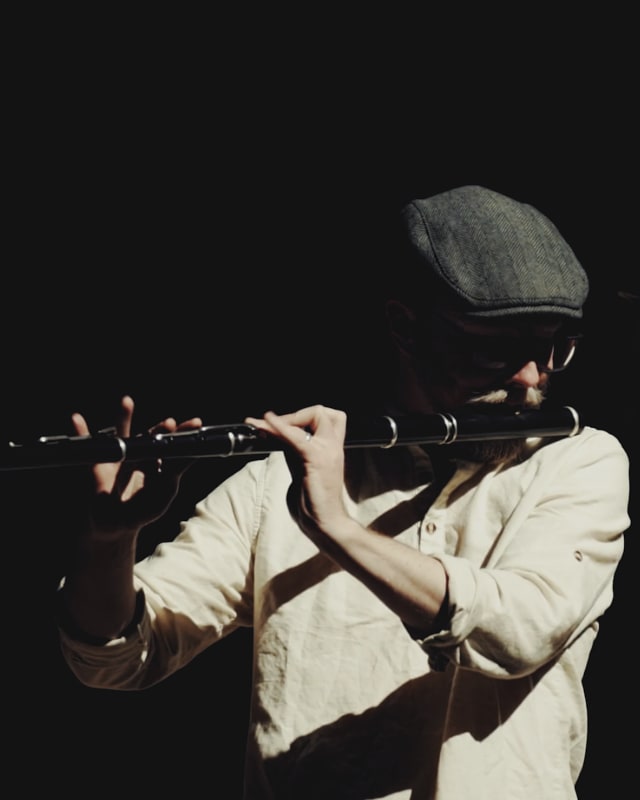
Not long after moving to Greeley, Colorado, he was driving home one afternoon when a live in-studio performance came across the local NPR affiliate, KUNC. The group was Siúcra, a Colorado-based Irish band whose members were then based in Boulder, and something about the sound drew him in completely. He pulled the car over, wrote the band's name down on a piece of paper, and that night he and his wife Deborah drove to hear them play.
The music itself was magnetic, but so was the playing: the lift and pulse of the tunes, the rhythmic energy. It was almost like looking up into a night sky full of stars and suddenly finding your eye drawn completely to one of them. Once Blayne heard that music, everything else faded into the background for a while. He was transfixed.

Music had already shaped much of his life long before that moment. After studying at Berklee College of Music, he moved to Nashville, where he and Deborah met and began building a shared life shaped by music, church community, lasting friendships, and collaboration.
Deborah's influence on his musical life runs deep. Her love of old hymns, along with their shared love of folk music, helped shape not only the music they shared, but Blayne's own voice as a singer, composer, and worship leader.
Those Nashville years placed them squarely within the early hymn renewal movement surrounding Indelible Grace. Through those friendships and collaborations, Blayne became immersed in a tradition of pairing old hymn texts with newly written music. Deborah appeared as a vocalist on the first Indelible Grace recording, while Blayne's guitar work on O the Deep, Deep Love of Jesus became especially well known for its distinctive opening riff. Students still regularly ask him about the part today.
Many historic hymnals printed only hymn texts and their meter markings, leaving singers to pair them with melodies already living in the community. Blayne's own hymn writing grew naturally from that tradition: continuing an old conversation rather than starting a new one.
“I still love modern music and great electric guitar playing, but over time I found myself getting pulled more and more toward acoustic music — folk songs, old hymns, Irish tunes, music that could live in a room, a pub, or a sanctuary.
When I discovered Irish traditional music, it felt like love at first tune.”
In 2001, Blayne and Deborah moved to Greeley so he could serve as music director at Saint Patrick Presbyterian Church, while Deborah joined the staff as youth director. Saint Pat's became not simply a workplace, but their church home and community. The congregation's vision of beauty, restoration, and care for place left a lasting impression on both their lives and music.
One phrase from the church's early years stayed with him:
Do you love what's beautiful, or do you make beautiful what you love?— Rev. Shane Sunn, paraphrasing G.K. Chesterton
Many of Blayne's hymn settings were written for ordinary Sundays at St. Pat's, shaped by sermons, seasons, readings, and the practical needs of congregational life. Recordings like Thine All the Merits grew directly out of that environment. During one week between Sundays, the church itself was turned into a recording space to capture the hymns in the place where they had first been sung and lived.
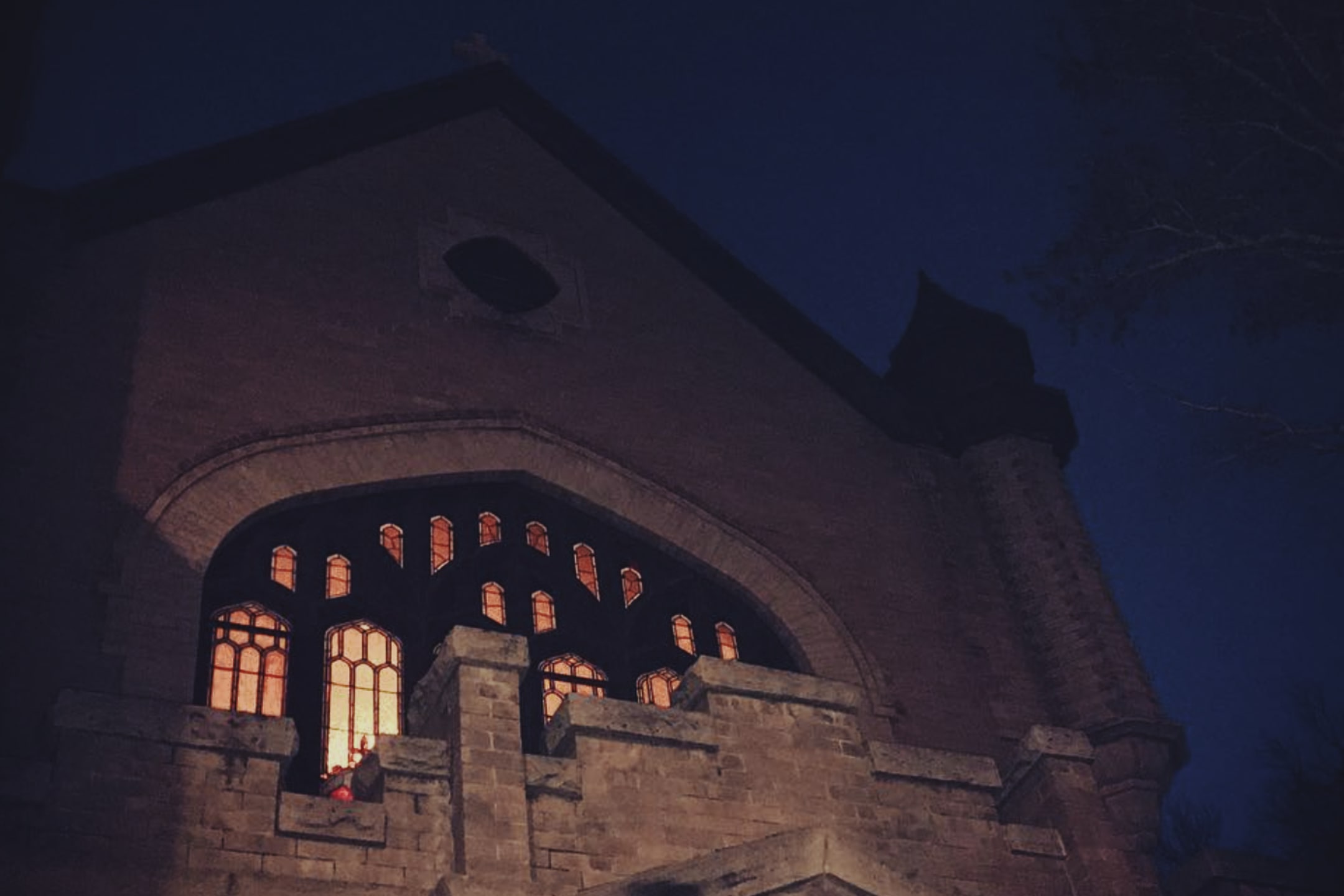
Saint Pat's worships in a historic late 19th century church building in downtown Greeley, with stained glass, worn wooden floors, stone walls, and vaulted ceilings that have become part of the sound and atmosphere surrounding much of Blayne's work.
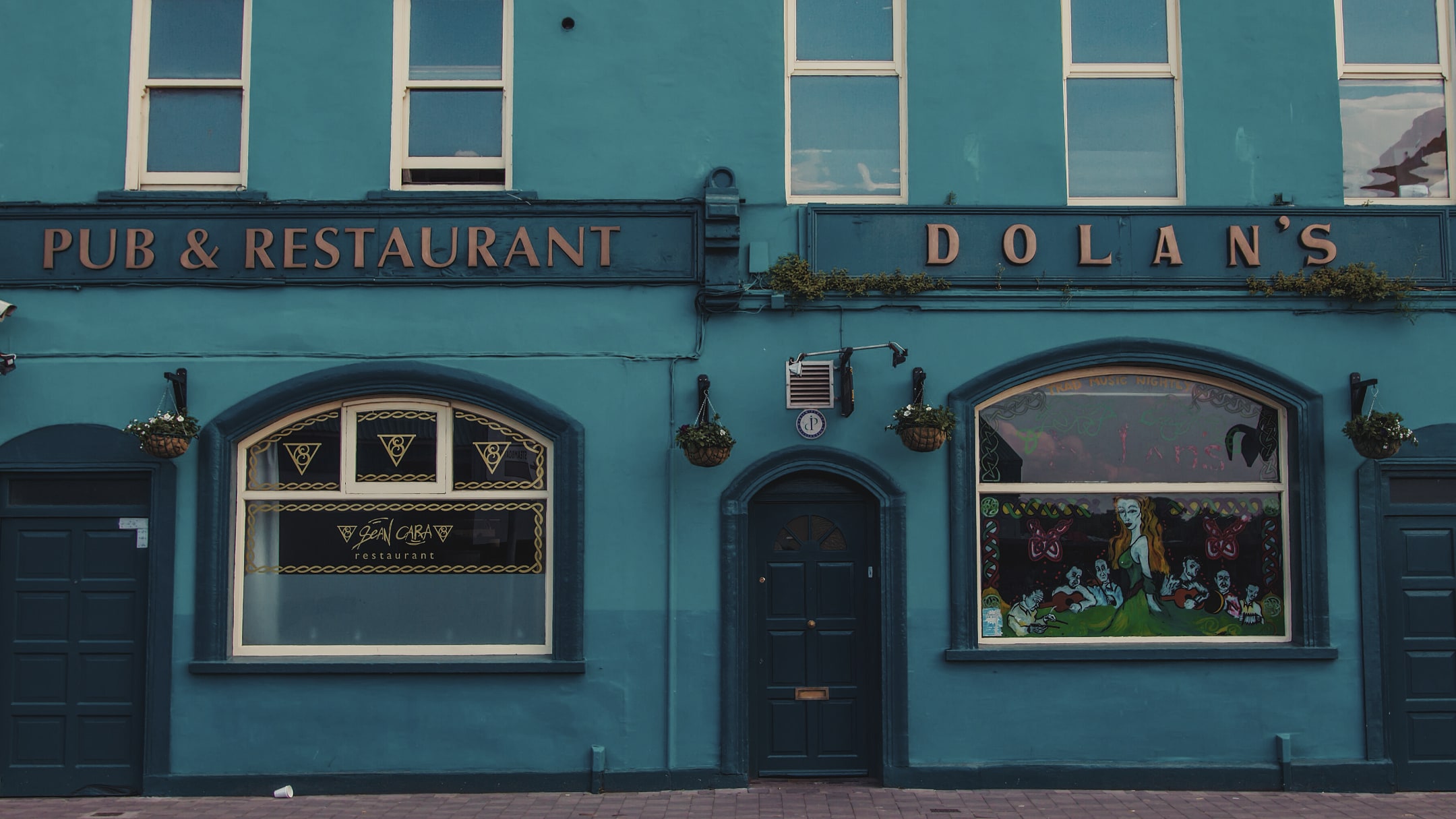
At the same time, Irish traditional music had become a parallel lifelong pursuit. In 2005, Blayne took a sabbatical from St. Pat's and moved to Ireland to pursue a master's degree in Traditional Music Performance at the University of Limerick. More than a credential, the experience was a chance to live inside the tradition more fully, immersed in sessions, repertoire, rhythm, and the everyday musical life surrounding the tradition.
Traditional music is carried person to person. Every player absorbs traces of countless others along the way through recordings, sessions, shared tunes, conversations, and years spent listening closely. While Shannon Heaton's playing first opened the door, Blayne's approach to the music has been shaped by decades of listening and learning by ear.
“What gives Irish music its lift when it’s at its finest is when everyone is really listening to each other and seeking that fleeting little moment when the music almost lifts you up out of your chair.”
That same sense of shared tradition eventually found expression in teaching.
What began as private instruction gradually grew into an online teaching studio centered around Irish flute, tin whistle, guitar, and traditional music practice. Thousands of students from around the world have worked through Blayne's courses, from first notes to deeper study of the tradition. His teaching is known less for rigid systems than for clarity, identifying the small adjustments, habits, or practice approaches that help students move forward more naturally and musically.
Over time, the studio expanded to include guest instructors and longtime collaborators, including fiddler Natalie Padilla and pianist/composer Peter Romero.
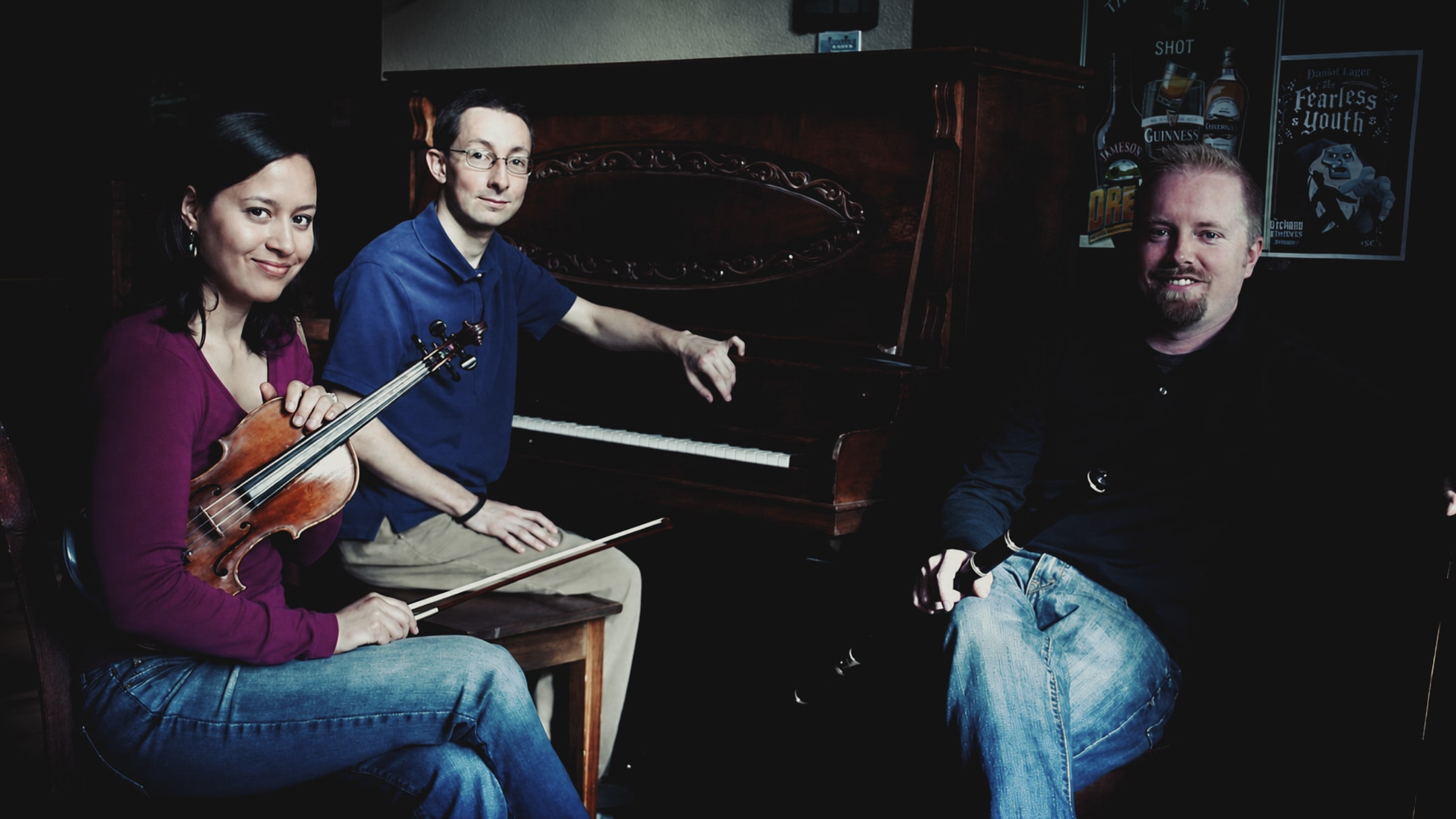
Padilla and Romero would later join Blayne on Fiddle & Flute, a debut Irish traditional recording for all three musicians and one of the projects most closely associated with his work as a flute player. Other collaborations and recordings have included work connected to Indelible Grace, appearances with artists and groups such as Elephant Revival and Death of the Pugilist, and an ongoing body of independently released hymn recordings, including the single Everlasting Peace.
In recent years, Blayne's work has expanded further through Irish Flute Store and Trad Market, a marketplace dedicated to traditional and world instruments. Both projects grew from the same instinct that shaped the teaching studio: helping musicians deepen their connection to the music they love.
After years of handling and playing instruments from makers around the world, Blayne became known not only as a player and teacher, but as a trusted guide within the Irish flute and whistle community. Musicians and makers regularly seek out his perspective on instruments, setup, design, and playability. At Irish Flute Store, that often means steering players toward the instrument that genuinely fits them, even when it means recommending something unexpected, or occasionally talking them out of a purchase altogether.
Trad Market extends that idea outward: creating a shared space for musicians, makers, shops, and collectors working within traditional and world music cultures that have often existed in scattered corners of the internet.
Through it all — the performances, recordings, teaching, church work, sessions, courses, instruments, collaborations, and conversations — the center has remained remarkably consistent: music learned in community and carried forward person to person.
“The thing about hymn singing and traditional Irish music in a session context is that it’s for everyone. At their best, they feel less like performances and more like conversations shared through music.”
And somewhere underneath all of it is still the memory of that drive home through northern Colorado, when a radio performance opened a door and the music on the other side changed the direction of a life.
Appendix
Recordings mentioned
- album art · 1:1
Fiddle & Flute
with Natalie Padilla & Peter Romero
Debut Irish traditional album for all three. Closely associated with Blayne's flute playing.
- album art · 1:1
Thine All the Merits
hymns recorded at Saint Pat's
Captured during one week between Sundays, in the place where the hymns had first been sung.
- album art · 1:1
Everlasting Peace
single
Original hymn setting, independently released.
- album art · 1:1
Indelible Grace — selected appearances
“O the Deep, Deep Love of Jesus” guitar work · Deborah Chastain vocal on first IG recording
From the early hymn renewal movement in Nashville.
Audio playback · forthcoming
More of the studio is at the courses.